@zephyra_animations's post on Artfol


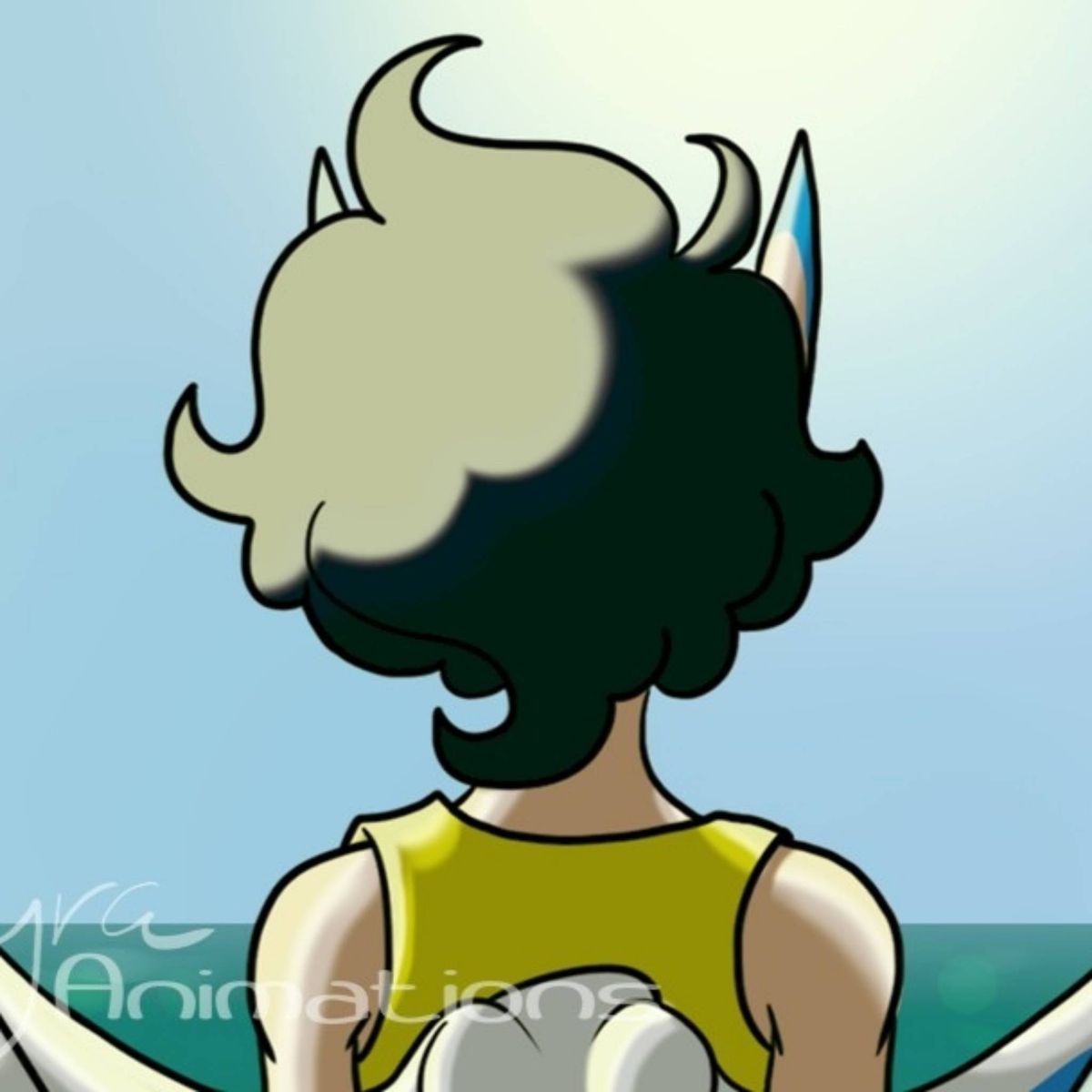

When is unexplained good in a story and when is it bad?
Just got slapped in the face by the sudden realization that some things SHOULD be explained and some things are better left up to the interpretation of the viewer and the line between those two is UNCLEAR.
So uh... What do you think the difference is?May 3, 2021
Just got slapped in the face by the sudden realization that some things SHOULD be explained and some things are better left up to the interpretation of the viewer and the line between those two is UNCLEAR.
So uh... What do you think the difference is?May 3, 2021
#storywriting
#writing
#story
Comments
I don't know much about writing, but I do know I like reading stories with false narration- where the main character's perspective is biased, or the main character doesnt remember key points of their own history, and when the truth is revealed later it's sooo good and exciting!!
When it comes to mysteries and surprises, I also prefer stories that have enough hints that the reader COULD figure it out on their own. It's fun rereading and thinking "wow, the answer was there all along!"
The reader shouldn't have to just be told what the mystery or surprise is at the end (I.e. in sherlock Holmes mysteries, sherlock kept all the clues to himself.) unless there's a good story reason for it
I don't know this is helpful, I hope you can find out more!

When it comes to mysteries and surprises, I also prefer stories that have enough hints that the reader COULD figure it out on their own. It's fun rereading and thinking "wow, the answer was there all along!"
The reader shouldn't have to just be told what the mystery or surprise is at the end (I.e. in sherlock Holmes mysteries, sherlock kept all the clues to himself.) unless there's a good story reason for it
I don't know this is helpful,
I hope you can find out more!•
•I’ve heard that the best way to go about it is just don’t explain so much that the reader isn’t able to project their own imagination onto the story at all. The line can be blurry depending on the genre, but these are the guidelines I think work:
is the reader supposed to identify with/project onto the protagonist? Are they meant to be an “everyperson”, or do they represent a particular group of people?
How much of the world can realistically be understood by the narrator and/or characters? How reliable is the person narrating the story? Keep in mind that even an expert in any particular field isn’t going to know 100% of the things related to the subject, and a layperson is going to understand an even more surface-level version.
How important is it that the reader interprets an idea a certain way? Is there an allegory for a real-world issue that needs to be understood from a particular perspective? Or is the story just a purely fictional narrative in which there aren’t any real consequences for interpreting the events one way or the other, or favoring/wanting to redeem a particular character/side? If the topics explained in the story have real-world implications, it’s more important to prioritize explaining the point clearly, or having the protagonist get to that point in a way that is unambiguous. If it’s just fiction, then it’s okay to leave a bit more room for interpretation.

is the reader supposed to identify with/project onto the protagonist? Are they meant to be an “everyperson”, or do they represent a particular group of people?
How much of the world can realistically be understood by the narrator and/or characters? How reliable is the person narrating the story? Keep in mind that even an expert in any particular field isn’t going to know 100% of the things related to the subject, and a layperson is going to understand an even more surface-level version.
How important is it that the reader interprets an idea a certain way? Is there an allegory for a real-world issue that needs to be understood from a particular perspective? Or is the story just a purely fictional narrative in which there aren’t any real consequences for interpreting the events one way or the other, or favoring/wanting to redeem a particular character/side? If the topics explained in the story have real-world implications, it’s more important to prioritize explaining the point clearly, or having the protagonist get to that point in a way that is unambiguous. If it’s just fiction, then it’s okay to leave a bit more room for interpretation.
•
•